What to Write in Your Mission Journal: A Week-by-Week Guide
Benjamin S. Fowler
Maker & Founder, Covenant Leather Co. · March 15, 2026 · 8 min read
I've sent dozens of missionaries into the field. And I've noticed something: the ones who come home with the richest memories are almost always the ones who wrote things down.
Not because writing makes you a better missionary. But because writing makes you pay attention. When you know you're going to record the day, you live it differently. You notice the names of the people you teach. You write down what they said when they first understood something true. You capture the small moments — the grandmother who offered you rice even though she had so little, the rainstorm that caught you between doors, the prayer that felt like it went somewhere.
A mission is two years. It feels long when you're in it. It feels impossibly short when it's over.
Here is what I tell every missionary I send out: write more than you think you need to. You will never regret it. You may very much regret not doing it.
Week 1: Record Everything, Filter Nothing
Your first week in the field is overwhelming. New language, new companion, new city, new purpose. Don't try to write the perfect journal entry. Write fast, write messy, write everything.
- What did the air smell like when you landed?
- What was the first thing your mission president said to you?
- What were you afraid of? What surprised you?
- What is your companion like?
These details feel obvious now. In ten years, they will be gold.
Week 2–4: Establish a Daily Habit
The best time to write is right before bed. The day is fresh. You're tired, which means you'll write quickly and honestly — no performance, no editing. Just what happened.
A simple structure that works:
- One person you talked to today — their name, what they said, what you felt
- One thing you learned — from scripture, from your companion, from a teaching moment
- One thing you're grateful for — the smaller and more specific, the better
Three things. Three paragraphs. That's all you need on the hard days. On the good days, you won't be able to stop.
Month 2–3: Go Deeper
By now the rhythm is set. You have a companion, a routine, an area you know. Start going deeper in your writing.
- What is your testimony of, specifically? Not just "I know the Church is true" — what do you know, from your own experience?
- What is the hardest thing about your mission right now?
- What have you learned about prayer that you didn't know before?
- Write a portrait of someone you're teaching — who they are, what they're looking for, what's holding them back
Transfers: Always Write on Transfer Day
Transfer days are endings and beginnings. They deserve a dedicated entry.
Write about your outgoing companion: what you loved about serving with them, what they taught you, what you hope for them. Write about your new area or new companion. Write what you're leaving behind and what you're walking into.
These entries become some of the most treasured in the whole journal.
The Last Month: Write Like It's Already Over
In your final month, start writing summary entries. Not just what happened today, but what your mission was.
- What were the hardest six weeks?
- Who changed you the most?
- What do you know now that you didn't know when you arrived?
- What do you want to remember about this place?
- What do you want to tell your children about this?
Write a letter to yourself, to be read in ten years. What do you want that person to know?
The Journal That Holds It All
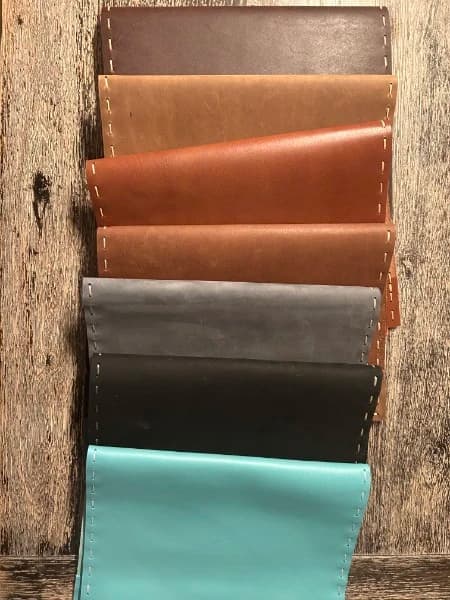
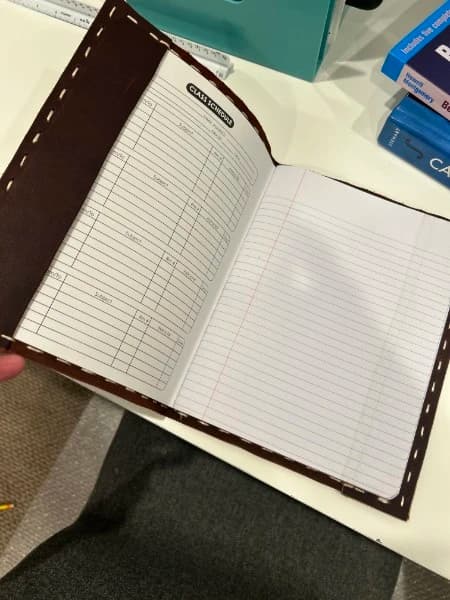
All of this writing deserves a journal that can hold up. I've made leather journals specifically for missionaries because I know what they go through — the humidity, the heat, the bag that never stops moving. A journal that falls apart halfway through isn't just inconvenient. It's a loss.
Use a journal worth the words you're putting in it. Your mission will thank you.
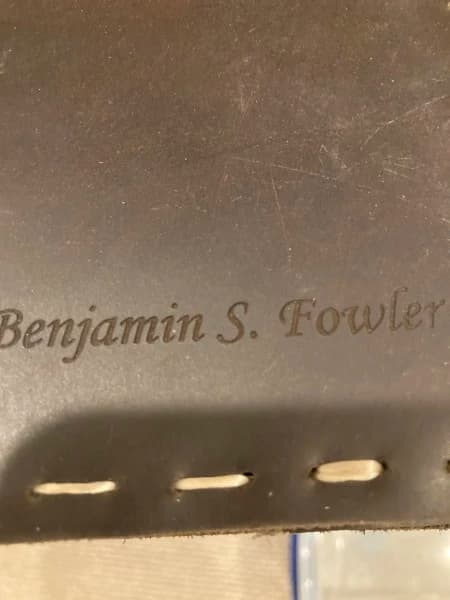
Handmade by Benjamin S. Fowler
Find the journal that's yours.
Every journal is made by hand in Saratoga Springs, Utah — genuine leather, waxed linen thread, and acid-free paper.
Shop Journals