How to Care for a Genuine Leather Journal
Benjamin S. Fowler
Maker & Founder, Covenant Leather Co. · January 20, 2026 · 4 min read
Genuine leather is not a finished product. It's an ongoing one. The hide that covers your journal was once alive, and in some meaningful sense it still is — it breathes, it absorbs, it responds to how you treat it.
Treat it well and it will last decades, developing a deep patina that no new journal can replicate. Neglect it and it will dry, crack, and age badly. The difference is simpler than most people think.
The Basics: What Leather Needs
Leather needs three things: moisture, protection, and to be left alone.
Moisture comes from conditioning — applying a leather conditioner or balm that replaces the oils the leather loses over time. Without it, leather dries out and eventually cracks.
Protection means keeping it away from prolonged exposure to water, direct sunlight, and extreme heat — all of which accelerate drying and fading.
Being left alone means not over-treating it. Leather that is conditioned too frequently can become soft and lose its structure. Once or twice a year is enough for most journals.
How to Condition Your Leather Journal
What to Use
We recommend a beeswax-based leather balm or a neatsfoot oil-based conditioner. Both are natural, effective, and won't damage the leather or the stitching. Brands we trust: Leather Honey, Bickmore Bick 4, or a simple block of pure beeswax.
Avoid: petroleum-based products, silicone sprays, mink oil (can darken leather dramatically), and anything marketed as a "waterproofing spray" unless you know it's leather-safe.
The Process
- Clean the surface with a dry or slightly damp cloth to remove dust and surface oils
- Apply a small amount of conditioner to a clean cloth — not directly to the leather
- Rub in small circular motions, working the conditioner into the grain
- Let it absorb for 10–15 minutes
- Buff gently with a clean dry cloth to remove any excess
You'll notice the leather darkens slightly during conditioning and then lightens as it absorbs. This is normal and beautiful.
Handling Water and Moisture
Rain happens. If your journal gets wet:
- Blot (don't rub) the excess water with a clean cloth
- Allow it to dry slowly at room temperature — never with a hair dryer or near a heat source
- Once completely dry, condition the leather — drying removes oils
A leather journal that gets wet and then conditioned will be fine. A leather journal that gets wet, is dried with heat, and never conditioned will crack.
Storage
- Store flat or standing upright — not on its spine for long periods
- Keep away from direct sunlight, which fades and dries leather over time
- A cotton pillowcase or dust bag is ideal for long-term storage
- Avoid plastic bags — leather needs to breathe
Understanding Patina
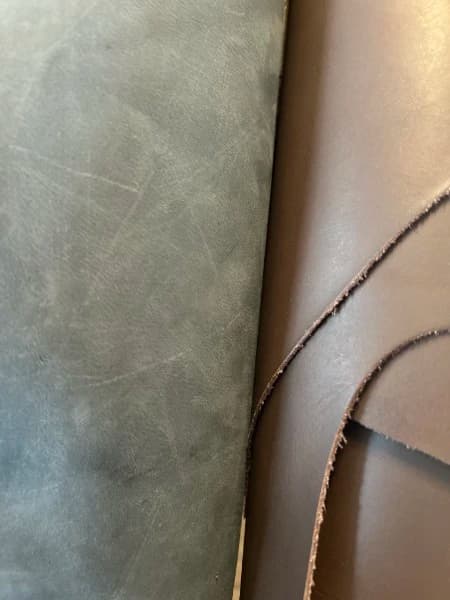
Patina is the change in leather's appearance that comes from use, handling, and time. The oils from your hands, the light it's exposed to, the wear at the corners — all of these contribute to a patina that is completely unique to your journal and how you've lived with it.
Many people mistake early patina development for damage. A journal that darkens slightly where you grip it, or lightens at the corners, is doing exactly what good leather should do. These are not flaws. They are the record of use.
This is why we say a well-made leather journal gets better with age. It's not marketing language. It's how leather actually works.
A Note on Full-Grain vs. Top-Grain Care
Full-grain leather (used in our Covenant Journal) develops patina more visibly and rapidly — it will show the marks of use and develop a rich, deep tone over years. Top-grain leather (used in our Mission Companion) has a surface treatment that makes it slightly more water-resistant and more uniform in aging.
Both benefit from the same care routine. Full-grain leather will show conditioning changes more dramatically, which many people find deeply satisfying.
Handmade by Benjamin S. Fowler
Find the journal that's yours.
Every journal is made by hand in Saratoga Springs, Utah — genuine leather, waxed linen thread, and acid-free paper.
Shop Journals